
Blog
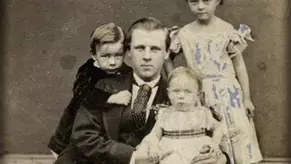
“The father's place in education [is] so important, though by no means easy to define.”
Conceptions of fatherhood in the Parents’ Review |
At the third annual conference of the Parents’ National Education Union (PNEU) in May 1899, historian and educationalist Michael Ernest Sadler argued that the father’s influence in the education of young children was “generally a bad second”.
Revisiting the Gifted Child in England: Emotional Memory, Recognition, and Healing in Adult Testimonies
Buse Demirkan is a PhD researcher in Human Geography at the University of Bristol, supervised by Dr Jennifer Crane and Professor Richard Harris. Her research examines how childhood giftedness is remembered in adulthood, utilising retrospective life story interviews to explore the emotional and spatial dimensions of the gifted label in England. She holds an MA in Inclusion and Disability from the University of Birmingham.
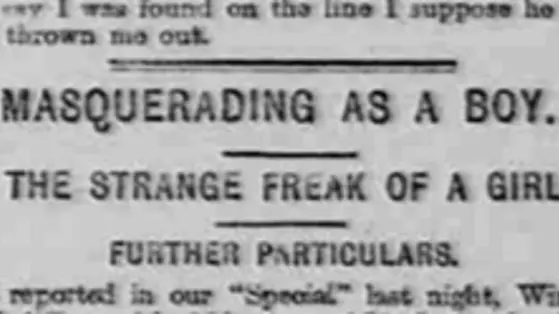
“This Boy is Really a Girl!”: Youth Cross-Dressing in late Victorian and Edwardian Britain
Hannah Stovin is a second year PhD student at Mansfield College, under the supervision of Prof. Christina de Bellaigue and Prof. Matt Cook. Her doctoral research is an examination of the social, cultural and medical understandings of the ‘queer child’ in Victorian and Edwardian Britain.
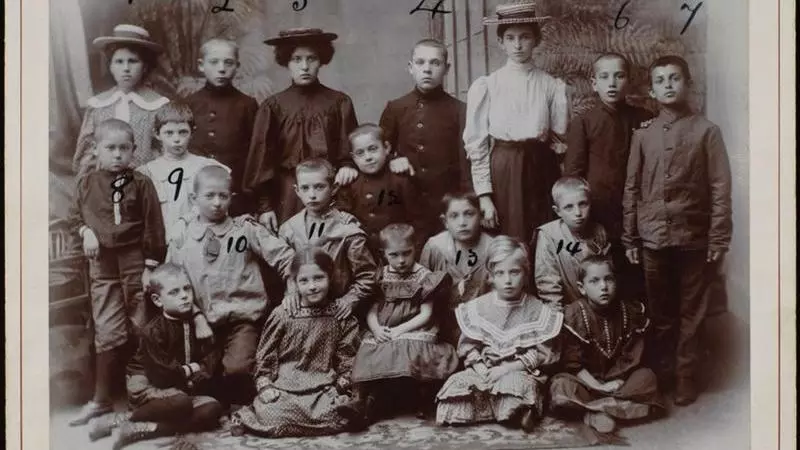
Caring for the Future: Jewish Orphans, Child Migration, and Jewish Humanitarianism in Early 20th-Century Britain
Charlotte Canizo is a second-year DPhil student at St Hugh’s College, working on Unaccompanied Jewish Child Migrants in British and French Jewish Humanitarianism (1903-1948) under the co-supervision of Prof. Abigail Green and Dr. Jenny Carson.
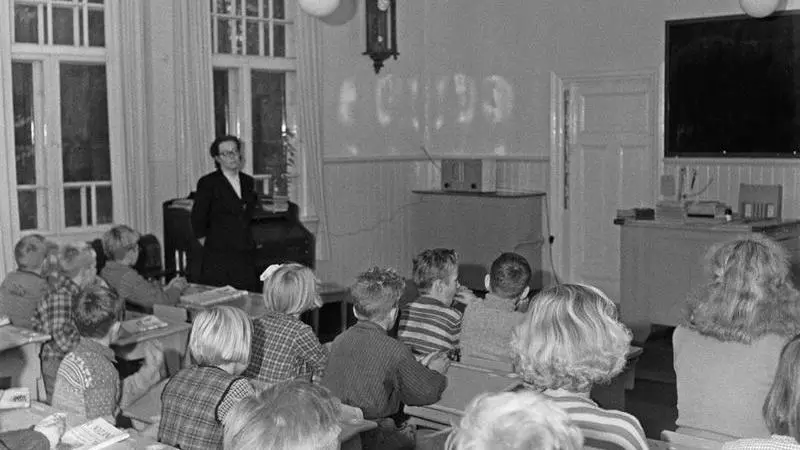
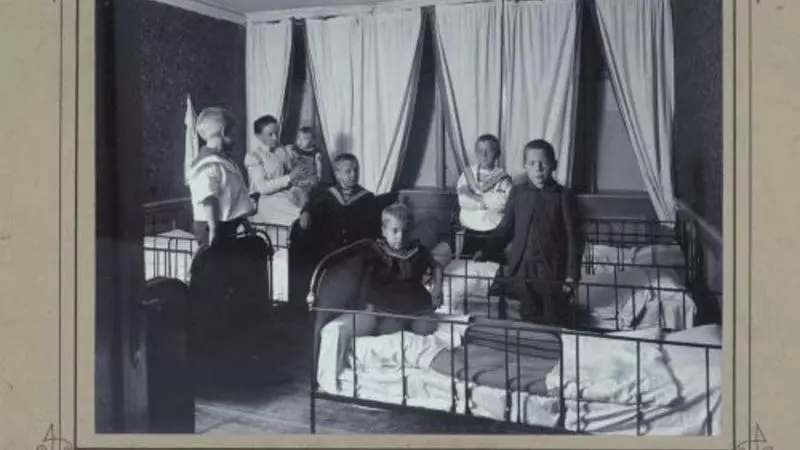
Examining the experiences of children and youth growing up in care in early 20th century Denmark
Amalie Olga Lyngsted is a PhD candidate at the SAXO-institute at the University of Copenhagen and the Danish National Archives. She is working on a PhD project examining the experience of children placed in care in early 20th century Denmark.
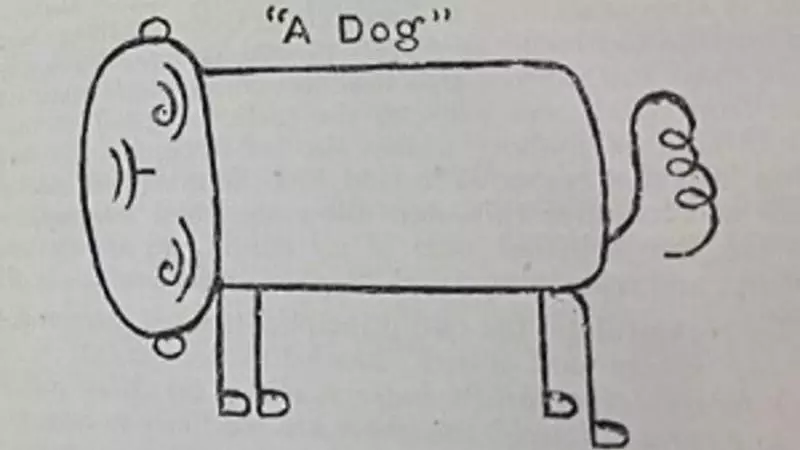
“Far beyond the ken of the pedagogue”? Tracing the fight for scientific authority in nineteenth and twentieth century “child study”
Julia Gustavsson is a DPhil candidate in the Faculty of History at St Peter’s College, Oxford, supervised by Prof Christina de Bellaigue and Dr Alex Aylward. Her doctoral research focuses on the historical practices of research on children in the UK through exploring the so-called child study movement which originated in the late nineteenth century.
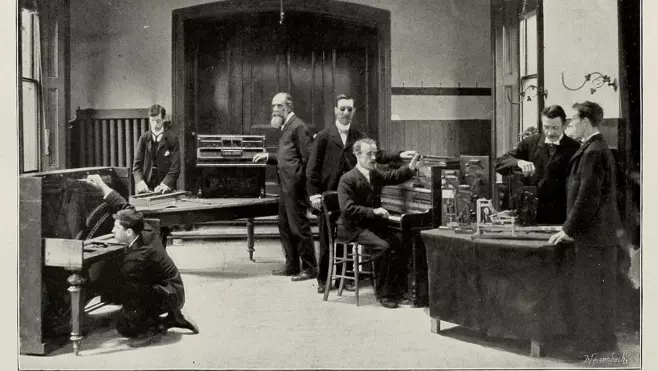
Specialist interventions, family strategies and the lives of London’s disabled children, 1880-1918
Rachel O’Driscoll is a DPhil candidate in the Department for Continuing Education and at Kellogg College, University of Oxford. Her fields of interest include the history of disability, education, welfare and childhood in nineteenth and twentieth century Britain.
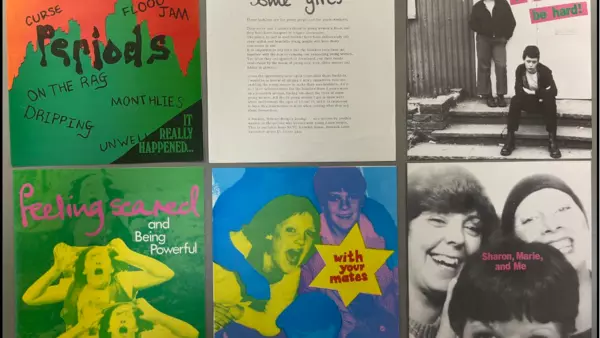
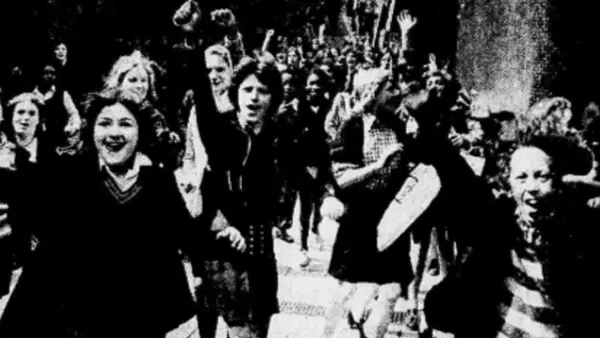
Gender Dynamics and Feminist Intervention in Youth Clubs in Late Twentieth-Century England
Ryan Aslett has just finished his second year studying Geography at the University of Exeter, Cornwall. He will spend the following year studying at Radboud University in the Netherlands. He is interested in how modern-day austerity has impacted young people's spatialities, social spheres and holistic development.
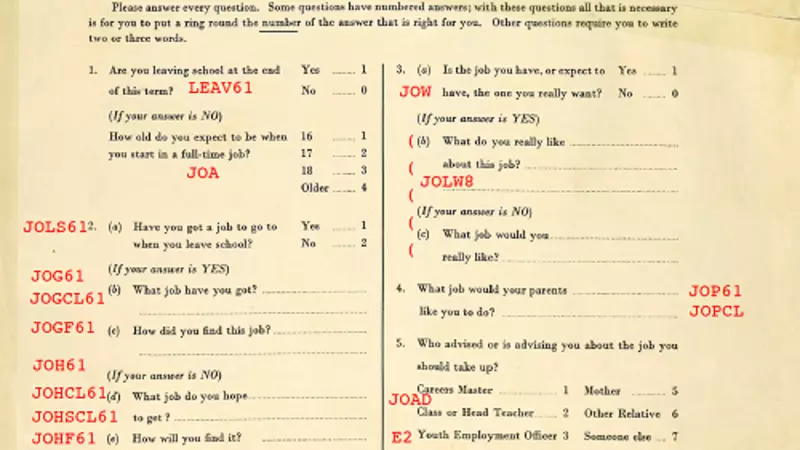
Generations and cohorts, adults and children
Dr Laura Carter is an historian of modern Britain whose work focuses on histories of education, gender, and social change. Her first book, Histories of Everyday Life: The Making of Popular Social History in Britain, 1918-1979 (OUP, 2021) was nominated for the Royal Historical Society Whitfield Book Prize, 2022
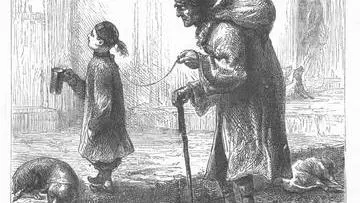
Blind Children in Late Ottoman Istanbul: A Glimpse through Education and Welfare Policies
İrem Yıldız is a DPhil candidate in the Faculty of Asian and Middle Eastern Studies at St. Antony’s College, Oxford. Her fields of interest include the history of disability, medicine, childhood studies, and museum studies in the nineteenth and twentieth centuries Ottoman Empire and the Middle East.
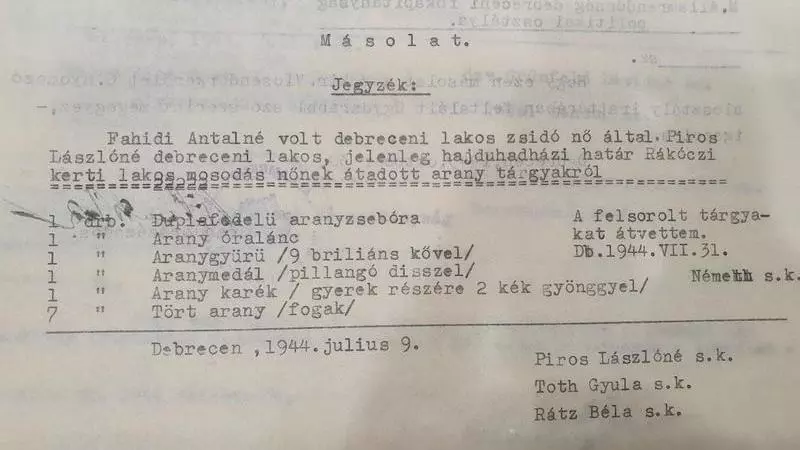
“One gold child’s bracelet”: Traces of Children in Stolen Property Documents from the Holocaust in Hungary
Barnabas Balint is a doctoral candidate at the University of Oxford under the supervision of Dr Zoe Waxman. His multi-lingual research (in English, French, and Hungarian) combines the history of childhood, gender, and identity, to explore Jewish responses to persecution.
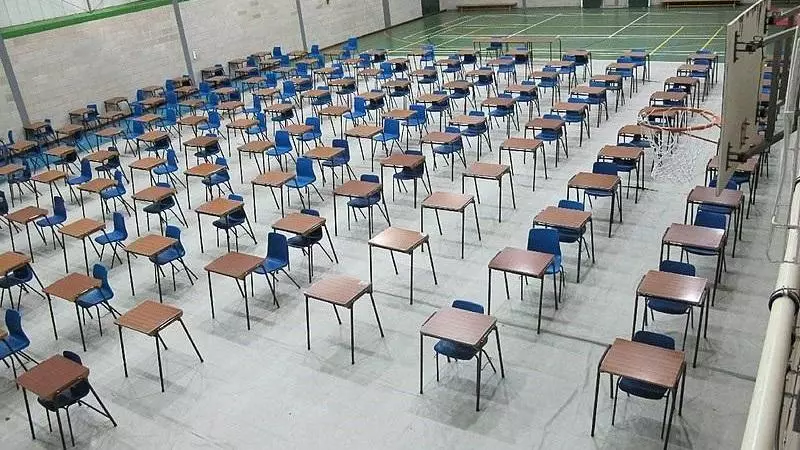
A history of ‘gifted children’ shows how social difference was remade beyond ‘class’ in the late twentieth century
Jennifer Crane has held a Wellcome Trust Research Fellowship to examine ‘the gifted child’ since 2019, and has published about this research in the Historical Journal and, forthcoming, in Contemporary European History.
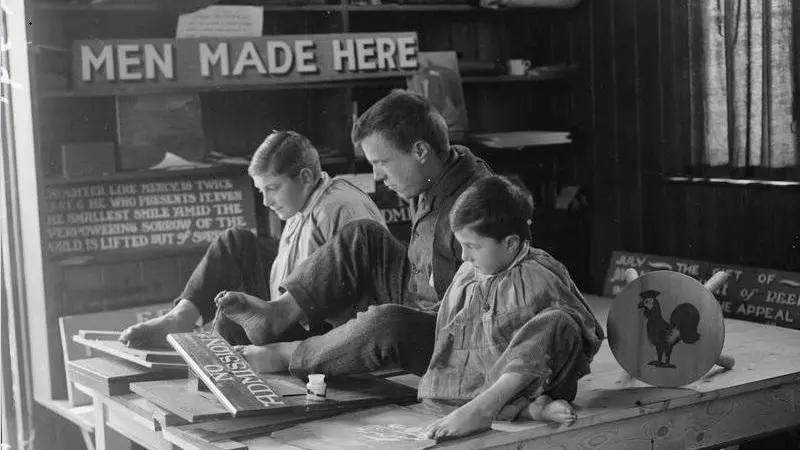
Uncovering childhoods: Accessing archival material for projects focused on twentieth century British History
Samantha Atwell is a DPhil Candidate in History at Magdalen College, Oxford. She is interested – broadly – in the histories of childhood, disability, education, gender, family, welfare and activism in nineteenth and twentieth century Britain.