The Oxford Historian

Past Issues
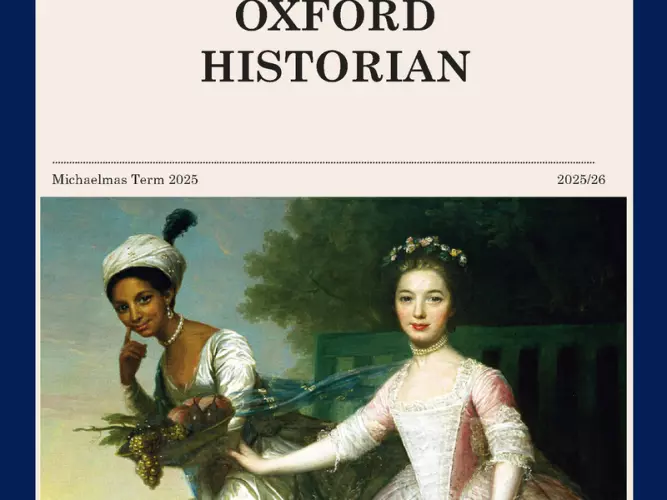
The Oxford Historian (2025-26) cover

The Oxford Historian (2025-26)

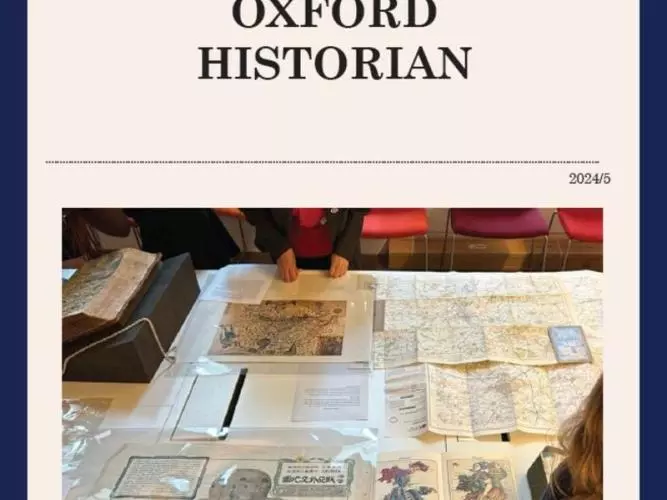
The Oxford Historian Cover, 2024-25

The Oxford Historian (2024-25)

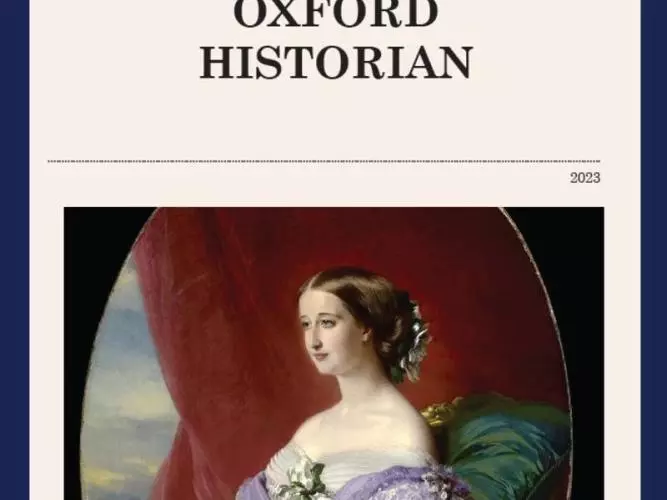
Oxford Historian Cover (2023)

The Oxford Historian (2023)

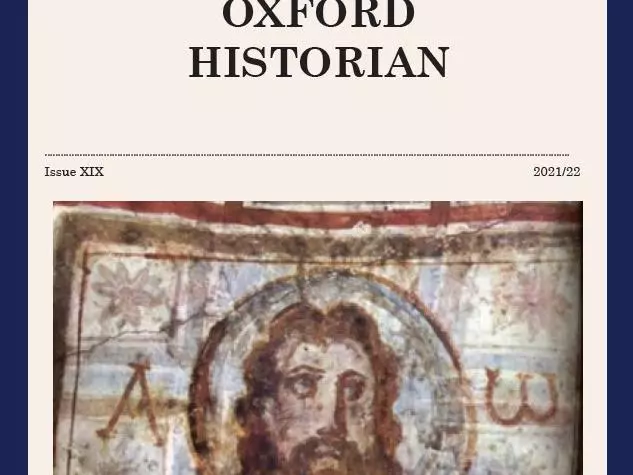
The Oxford Historian 2021-2 cover

The Oxford Historian (2021-22)

The Oxford Historian 2020-21

The Oxford Historian: Issue XVIII (2020-21)

The Oxford Historian cover 2019-20

The Oxford Historian: Issue XVII (2019-20)

The Oxford Historian cover 2018

The Oxford Historian: Issue XVI (2018-19)

The Oxford Historian cover 2017-18

The Oxford Historian: Issue XV (2017/18)

The Oxford Historian cover 2016-17

The Oxford Historian: Issue XIV (2016/17)

The Oxford Historian cover 2015-16

The Oxford Historian: Issue XIII (2015/16)

The Oxford Historian cover 2014-15

The Oxford Historian: Issue XII (2014/15)

Articles

Oxford Policy Engagement Network (OPEN)

Oxford Policy Engagement Network (OPEN)​ & The History Faculty - Historical expertise and the shaping and evaluating of foreign policy

How might we make better use of historical evidence and expertise in shaping and evaluating foreign policy? It is one of the questions that lie at the heart of my Oxford Policy Engagement Network (OPEN) Visiting Fellowship,
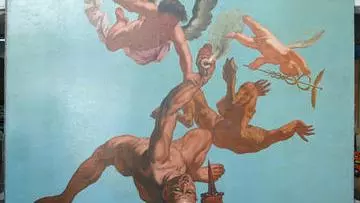
Detail from inside the Sheldonian Theatre

Oxford Re-Formed: A New Digital Exhibition

On 13 January 2022 a new digital exhibition entitled ‘Oxford Reformed’ was launched on the website of the Museum of Oxford.
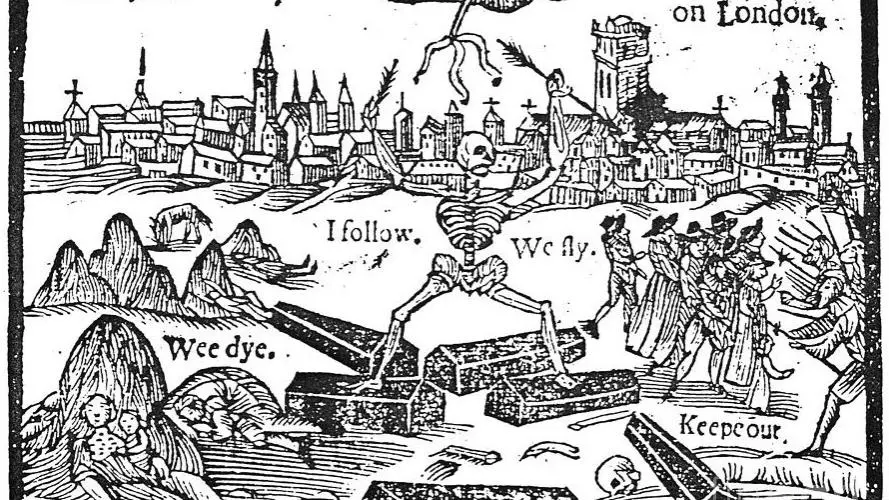
Woodcut of a skeleton reaching for lightening

Pandemics and Plagues in History

Throughout the lockdown, a number of History Faculty staff and students have been writing about Pandemics in history
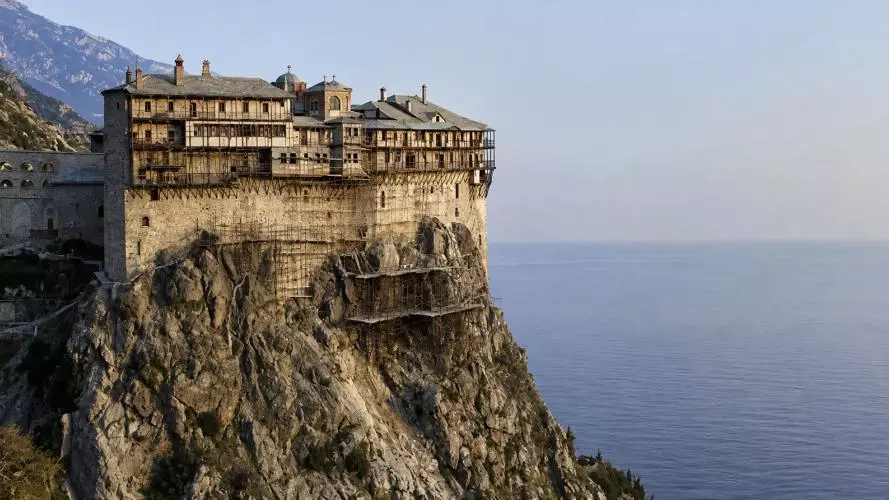
View of the monastery of Simonos Petra, Mt Athos

Patronage and Power in the Pre-Modern Mediterranean

Dr Ida Toth discusses her new AHRC-DFG funded research project, focusing on medieval and early modern donor epigraphy of Mount Athos (also known as the Holy Mountain) in Northern Greece.
The freedom fighter Rhigas Velestinlis

Re-imagining Democracy 1750–1860

The Re-imagining Democracy project addresses a simple question: how did it come about that, whereas in the middle of the eighteenth century people who talked about ‘democracy’ were normally talking about the ancient world -- about Greece or republican Rome, when a hundred years later they used the word to talk about modern circumstances and possibilities? Or, in short form ‘how did democracy become modern?’
Telling Stories

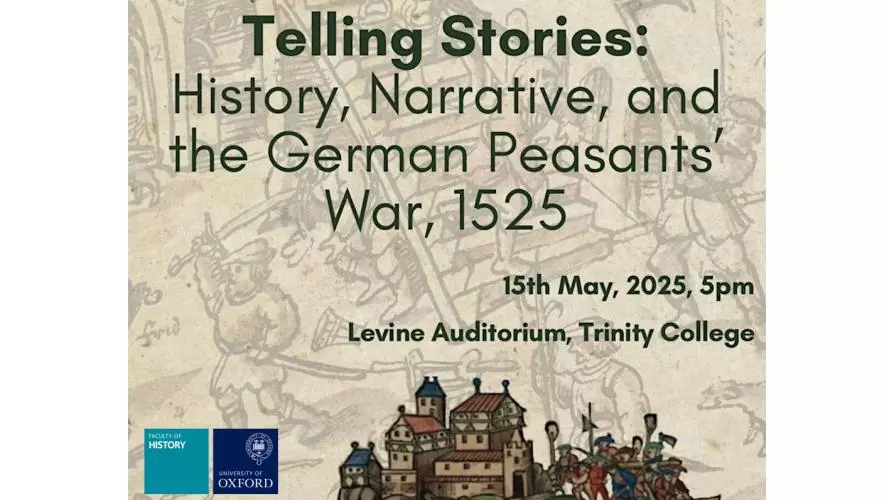
Regius Valedictory Lecture: Telling Stories: History, Narrative, and the German Peasants’ War, 1525

This lecture, on the 500th Anniversary of the Battle of Frankenhausen when the peasants were defeated, explores how people at the time wrote the history of 1525. The answers they found raise for us the question: how do we write history today?
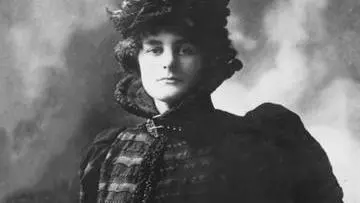
Maude Gonne McBride founder of Inghinidhe na hÉireann

Revolutionary Women

It has often been said that Ireland's is the best documented of all modern revolutions. The revolutionary generation of 1912-22 displayed a remarkable aptitude for creative writing, journalism, autobiography, correspondence and propaganda work.
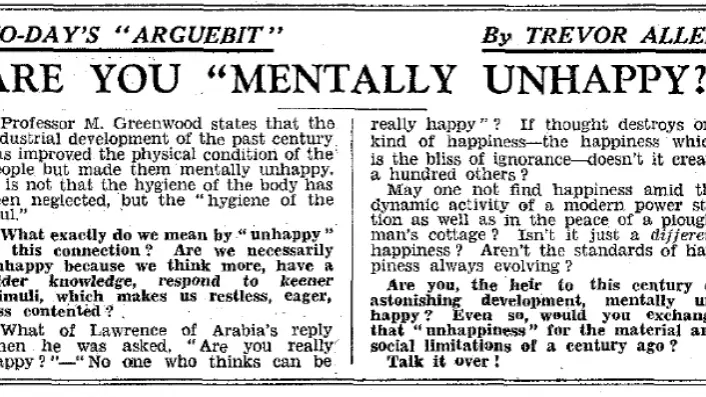
Newspaper article entitled Are you Mentally unhappy

Sadness in Interwar Britain

In the early-twentieth century, sadness was being reimagined. Change was brought about by the rise of professional psychology, which gave policy-makers new means to shape how citizens felt.
Professor Sarah Knott

Sarah Knott - Hillary Rodham Clinton Chair of Women’s History

Sarah Knott has been appointed as the Hillary Rodham Clinton Chair of Women’s History and a Professorial Fellow of St John’s College.
Skeletons Dancing

Society, economy and the law in fourteenth-century England

For decades historians have disagreed about the impact of the Black Death of 1348-9. Some have dismissed it as an inconsequential blip in England’s long term historical development, others have regarded it as a turning point in the pathway to modernity.
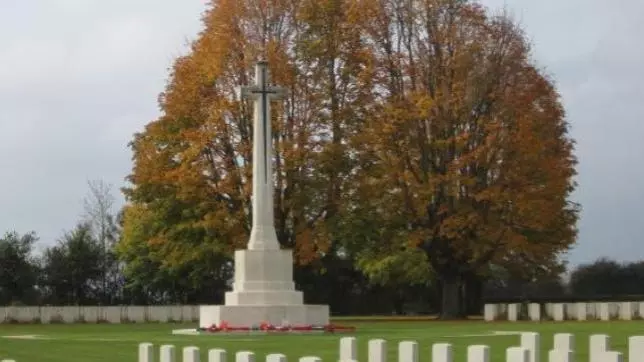
Graves at the Bayeux Commonwealth War Graves Commission Cemetery

Soldiers’ bodies, commemoration, & cultural responses to exhumations in the Great War

In March 1915, to avoid the unsanitary transportation of war casualties, the British government issued a ban on the exhumation and repatriation of Imperial soldiers, which was to be observed until the end of hostilities.
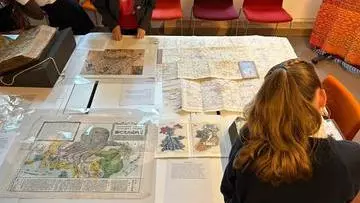
Students from Cheney and Bartholomew School in the Bodleian map room on the 2024 summer visit

Spotlight on... Researcher in Residence

Researchers in Residence offer a sustained programme of contact developing a relationship between local state secondary schools and the Faculty of History.
Stephen Baxter

Stephen Baxter : a Memorial

Readers will be saddened to learn that Stephen Baxter, Fellow and Tutor of St Peter’s College, Lecturer of Merton, and Professor of Medieval History, has died unexpectedly at the age of 56.
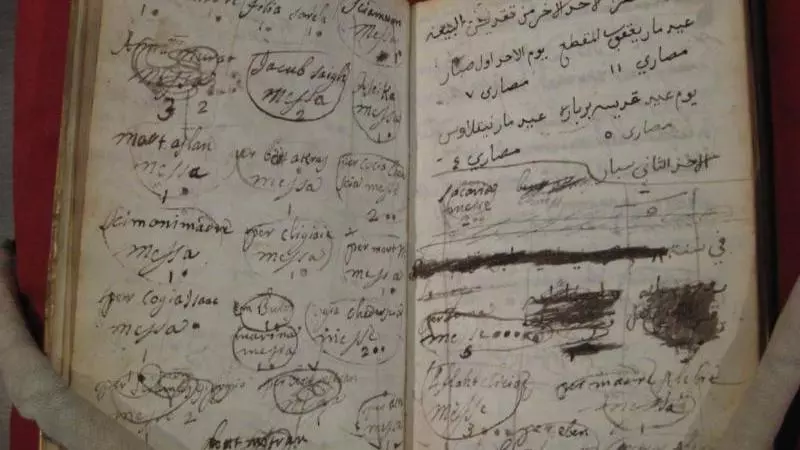
'This manuscript was kept by an Eastern Christian living in Rome in the 18th century. The copyist made a note of the celebration of masses for people he had left behind in the Ottoman Empire, a testament to the memory of loved ones long after the migration from East to West'.

Stories of Survival: Recovering the Connected Histories of Eastern Christianity in the Early Modern World, c.1500-c.1750

Stories of Survival: Recovering the Connected Histories of Eastern Christianity in the Early Modern World. Stories of Survival, which is supported by a five-year grant of 1.5 million euros from the European Research Council, seeks to demonstrate the importance of Eastern Christianity to early modern European, Islamic, and global history.
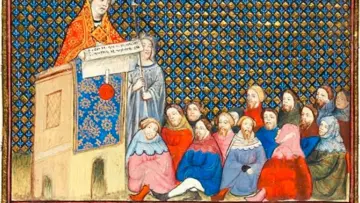
Archbishop Arundel Preaching

Teaching Resources

Following the success of its trial run in 2017, the Faculty of History is expanding its creation of teaching resources for GCSE students, continuing its focus on ‘Migration, Empire and the Peoples’ and emphasising the long history (starting in 970 AD) of British inter-connectedness with the wider world.
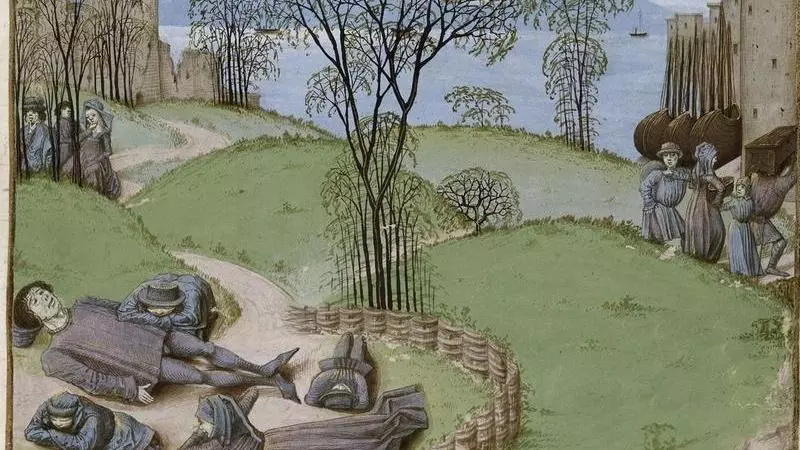
Deaths from famine, from Chroniques d'Angleterre by Jean de Wavrin (Netherlandish School, 15th century)

The Black Death and European Expansion

James Belich, current Beit Professor of Commonwealth and Imperial History, takes a deep breath, and argues that the Black Death was good for Europe.
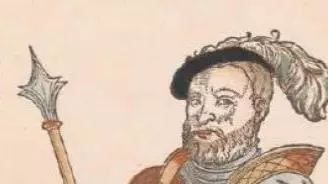
Henry VIII in a print by Hans Liefrink of Antwerp, c1545 (Rijksmuseum, Amsterdam)

The English People at War in the Age of Henry VIII

enry VIII fought many wars, against the French, against the Scots, against the Gaelic lords of Ireland, against rebels in his own realms, even against his traditional allies in the Netherlands. But how much did they really affect his subjects?
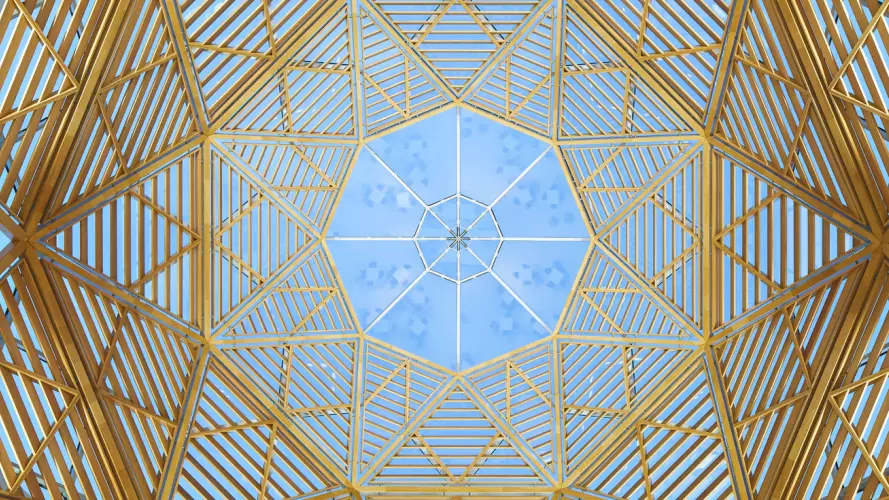
View of the dome in the Great Hall

The Faculty of History and the new Stephen A. Schwarzman Centre for the Humanities

The Faculty of History is pleased to open the doors of our new Faculty Hub, housed within the Stephen A. Schwarzman Centre for the Humanities.
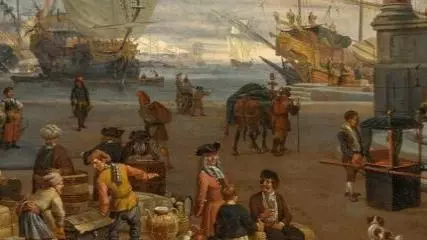
Storck Harbour Scene

The Global History of Capitalism Project

The Global History of Capitalism project is a platform for research across the collegiate university.
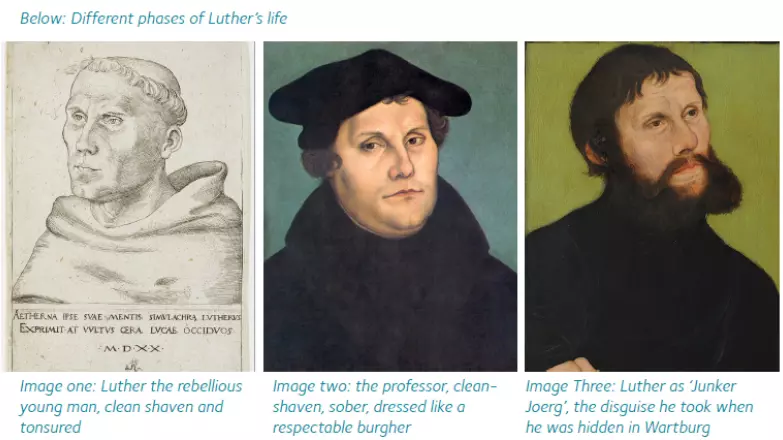
three phases

The Growth of Gender and Women's History

The arrival of Gender and women’s history has been the greatest development in the discipline of history since the Second World War. Those are not my words – they are those of David Cannadine, the new President of the British Academy.
‘“Hurrah” for “Northern Weekly Gazette”’, Northern Weekly Gazette, 10 November 1900, p.15

The History of Childhood in Modern Britain

All societies establish norms that regulate the environment, interactions and care of those who are most vulnerable, especially children. The boundaries used to categorise acts and impacts as harmful or unacceptable, however, are historically and culturally specific.
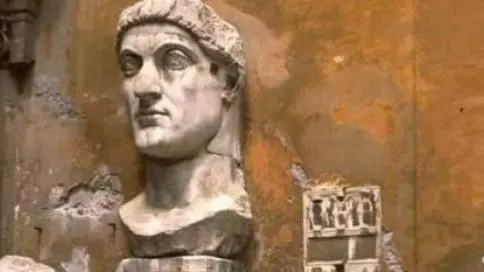
The fragments of a colossal statue of Constantine, now in the Musei Capitolini, Rome

The Last Statues of Antiquity edited by R.R.R. Smith and Bryan Ward-Perkins, (OUP, 2016)

Bryan Ward-Perkins discusses the influences behind this book as well as the implications of what it raises.
Cover of The London Private Banker

The London Private Banker: A Social History, 1660-1825

In his latest book, Perry Gauci examines the societal impact of the London private bankers as they established a significant metropolitan presence between 1660 and 1825.
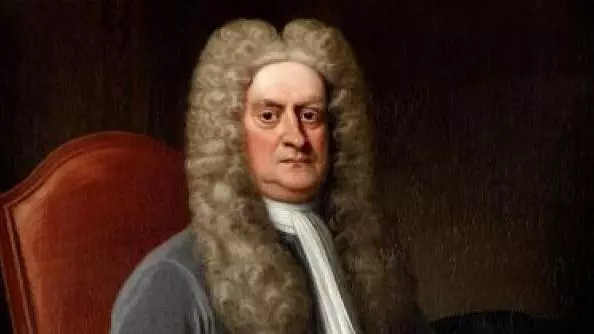
Portrait of Sir Isaac Newton, c.1715

The Newton Project

The Newton Project, which has recently moved to the University of Oxford, was created in 1998 by Rob Iliffe and Scott Mandelbrote (Peterhouse, Cambridge).
Bose Regiment

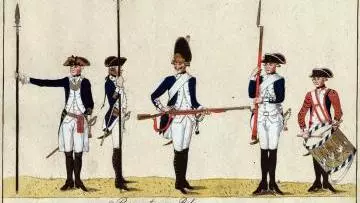
The Paradox of European History: How Independence Required Interdependence

European political geography is the product of violent competition which has left the continent divided into distinct states, unlike China or (to a lesser extent) North America.
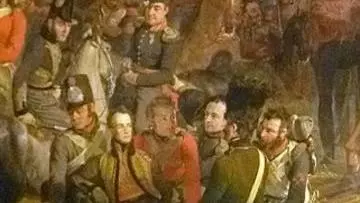
The Battle of Waterloo, 18 June 1815 (Jan Willem Pieneman)

The Political Economy of Two Great Wars

A century after Gallipoli, and two centuries after Waterloo, Adrian Gregory asks which war was better for Britain?
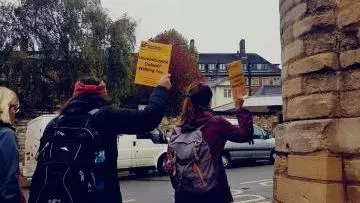
The Uncomfortable Oxford Tour

The Uncomfortable Oxford Tour

Rarely has power not been accompanied by violence and exploitation, and with the global prominence of the city and University, it is unsurprising that this violence must be conceptualised on a global scale.
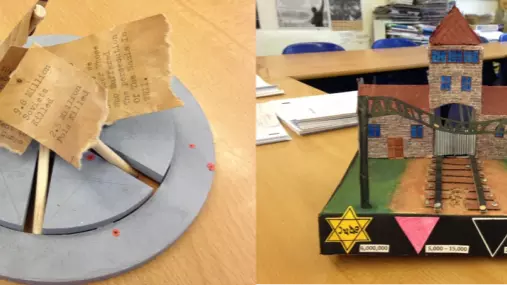
Memorials made by 15-year-old pupils as homework for History course

The Vessels of Memory: Mediating Official and Cultural Narratives of the Holocaust in the Classroom

What constitutes collective memory, and where should we look for it? My doctoral thesis aims to comprehend humanities teachers’ memory of the Holocaust, who have functioned as both ‘makers’ and ‘consumers’ of official and cultural historical memories.
Christine de Pizan (sitting) lecturing to a group of men standing

The Widows of the Battle of Agincourt

Rowena Archer looks ahead to the Agincourt 600 exhibition opening at the Tower of London in October and considers ' the miserable, ,the resigned and the relieved.
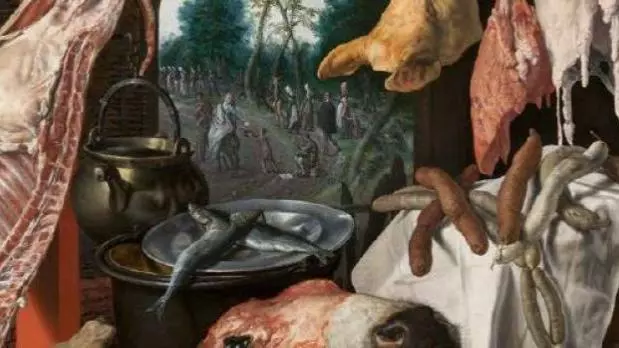
Pieter Aertsen’s “Butcher’s Stall with the Flight into Egypt”

Thinking With Food: The Welcome Rise of Food History

During Lent of 1522, a baker and his friend snuck into a monastery church in Zurich. When discovered by the caretaker and a monk, the baker whipped a sausage out from underneath his cloak and began a heated theological argument. With some difficulty, the monk had the men thrown out of the church, but not before he kept a piece of the sausage as ‘evidence’.
Sierra Leone, West Africa. c.1944 Military forces in uniform.

Thoughts on the new Global Twentieth Century History Paper

The new Global Twentieth Century History paper aims to place the centre of gravity of the course outside Europe, whilst acknowledging multiple perspectives in exploring the period 1930-2003.
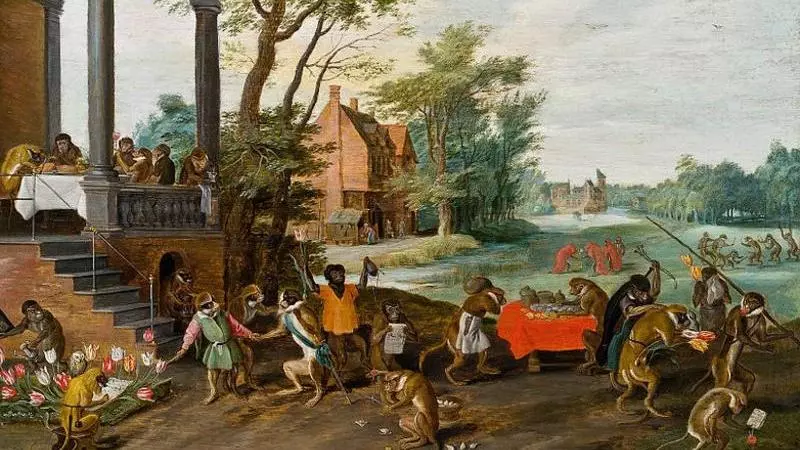
A Satire of Tulip Mania by Jan Brueghel the Younger (c. 1640)

Tulipmania: A Garden Historian's Perspective

"History may or may not repeat itself; historians repeat each other": Jonathan Denby reveals that the tulip bubble was not what we have been led to believe
A scene of mathematical learning in 1680.

Voices from the Schoolroom: Mathematics education in England, 1650–1750

Benjamin Wardhaugh discusses his new AHRC-funded research project, which focusses on mathematics education in early modern England.
18 June 1815 – Waterloo – Napoléonic destructions at Hougoumont

Waterloo 200

Project Hougoumont is an Anglo-Belgian initiative inspired by the military historian, Richard Holmes, with two objectives: to raise funds for the restoration of Hougoumont in time for the bicentenary of the battle of Waterloo and to give it a secure future as a place of remembrance, education and reconciliation.
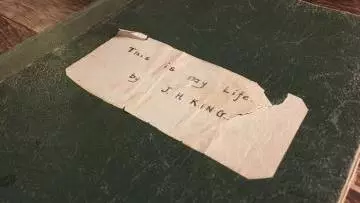
“This is my life”, and then a name: J.H. King,

Why I am Studying History

Ten years ago, my Dad gave me a notebook. It was small and square, hardback, with a flaking moss-green cover and paper-thin pages. On the front, it said, simply, “This is my life”, and then a name: J.H. King, my great-uncle.
Women in Hulme 1986

Women and the Welfare State

My research focuses on women born in Britain in the long 1940s. This is a generation of women that has made a significant contribution to the intellectual and political life of Britain, yet we know surprisingly little about their lives- especially past the 1960s.
Houses on Broad Street, prior to demolition in December 1936–March 1937

‘Neer the Theater’: Mrs Mumford and the death of tenants

Whenever I work in the Bodleian’s Weston Library, I wonder at the lives of the site’s early modern inhabitants — who they were, what their houses were like, and their relationships to each other.
Top of the Old Indian Institute

“For Some Things to Remain the Same, Everything Must Change”

Edit WYSIWYG In September 1981, when my doctoral funding ran out, I left Oxford, with an unfinished DPhil thesis and no job: in September 2016 I returned, to take up the Chichele Chair of Medieval History and a fellowship at All Souls College.
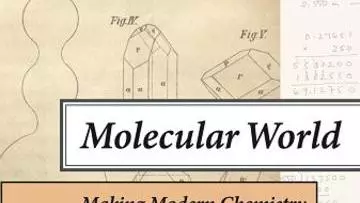
“Understanding the Chemocene”:

“Understanding the Chemocene”: A new venture at the interface between history and chemistry

For more than 200 years, research universities like Oxford have been distinguished by their mission to guide students in their encounter with the frontiers of knowledge, equipping them to become active contributors to society and, in many cases, producers of new knowledge themselves.