

Professor Bob Harris
Professor of British History
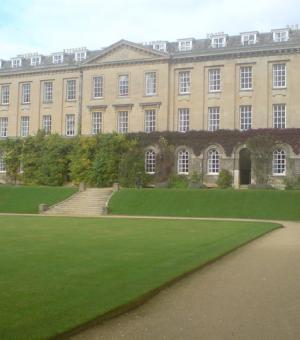
Worcester College
Research Interests
- Eighteenth-Century Scottish and British politics and culture
- Gambling in the long eighteenth century
- Urban history
In recent years, my main research focus has been the history of provincial Scottish towns between c.1740 and 1820. Within this broad area, I have become very interested in changes to the townscape, including new public and private building, changes to material culture, and more widely, the impact on these towns of the Enlightenment. The other recent book writing project was a thematic biography of the aristocratic radical, Lord Daer. I first became interested in him when writing on the impact of the French Revolution on Scottish politics, but have now attempted to use his brief life as a means for exploring various aspects of later eighteenth century Scottish and British intellectual and political culture. Daer was one of the first pupils of Dugald Stewart, a notable agricultural and urban improver, and also a thoroughly British radical. His worlds are ones which link Edinburgh, Paris and London and a great deal else besides. As part of the research for this book, I have been working most recently on Edinburgh in the 1780s, and I intend to work further on the city in the later Georgian period in coming years. My other main interest is in the social and cultural history of gambling in Britain and the British empire between c.1660-1850. I started researching this topic several years ago now, but my attention was drawn elsewhere in the intervening period. I have resumed work on it, starting with the popularity and success of the lottery in the long eighteenth century, and have written several pieces on this topic. As an aspect of this interest in gambling, I am also looking into the theme of sporting celebrity in the early nineteenth century as a means for thinking about the role of honour and codes of masculinity as crucial contexts for understanding betting practices.
Publications
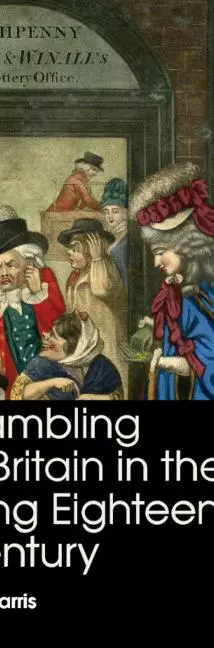
Gambling in Britain in the Long Eighteenth Century
English society in the eighteenth century was allegedly marked by a 'gambling mania', such was the prevalence and intensity of different forms of 'gaming'. Gambling in Britain in the Long Eighteenth Century subjects this notion to systematic scrutiny, exploring the growth and prevalence of different forms of gambling across Britain and throughout British society in this period, as well as attitudes towards it. Drawing on a vast range of new, empirical evidence, Bob Harris seeks to understand gambling, its growth, and significance within the context of wider trends and impulses in society. This book asks what light gambling practices and habits shed back onto society and the values, hopes, and expectations that informed the lives of those involved. This is a book, therefore, as much about the character of British society in the long eighteenth century as it is about gambling itself.
DPhil Students
Text about suprvision that you would be happy to undertake