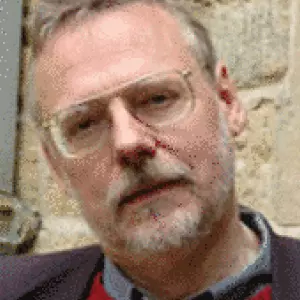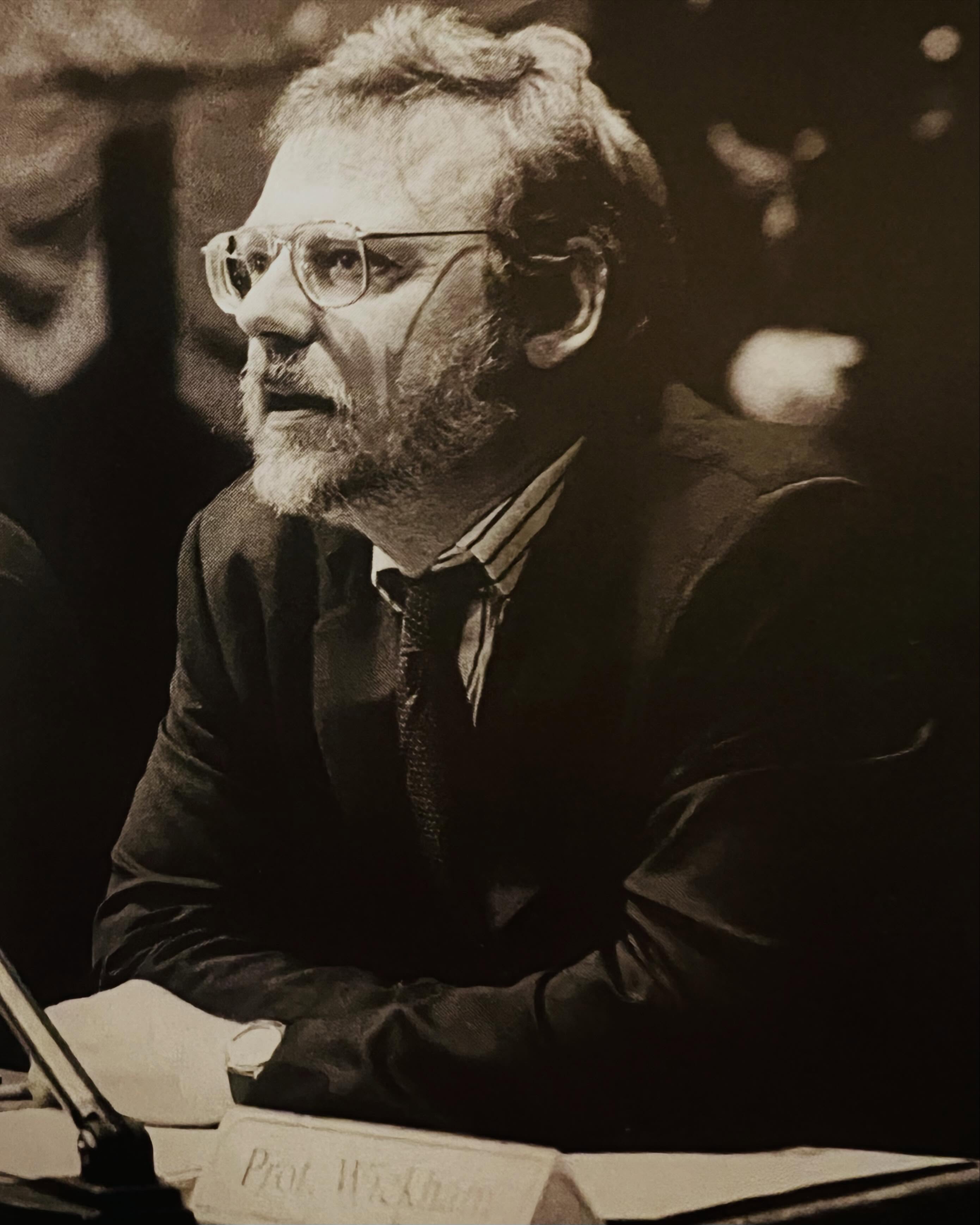
Chris Wickham (1950-2026)
Chris, whose death was announced last Friday, was one of the world’s leading early medievalists. He was the author of a series of major monographs, beginning with Early Medieval Italy (1981) and The Mountains and the City (1988). These focused on primarily Italian subjects and archives; but his subsequent work, most notably Framing the Early Middle Ages (2005) (which was awarded the Wolfson Prize in 2006) and The Inheritance of Rome (2009), had a much wider scope. His work always started from the socio-economic realities of the world that followed the collapse of Roman imperial power. Landholding, lordship, and commercial exchange, were always central themes in his work. But their implications were always much wider, embracing the relations within and between communities, and the nature of political and dynastic power. In an age of specialisation, he was a historian who always embraced the widest and most important themes.
Chris’s influence – both personal and intellectual – was enormous. But for us in Oxford, he was above all a colleague and a friend. He had studied in Oxford as a doctoral student, before going on to a distinguished career in the University of Birmingham. He returned to Oxford, as the Chichele Professor of Medieval History from 2005 to 2016. Over that decade, he was an omnipresent figure, galvanising the world of Medieval History and supervising numerous doctoral students. He was Director of Research from 2006 to 2009, Vice Chair of the Faculty in 2008-09, and then Chair of the History Faculty Board for three years from 2009 to 2012. In all of these roles, he encouraged colleagues to launch new projects, and made a series of important appointments, as well as acting as the interim Chair of the Humanities Division for a year prior to his retirement. In all of this, he was always an unmistakable and deeply human figure, who knew instinctively when to reach out to colleagues, and how to cut through the formality of meetings with a timely piece of humour.
In his latter years at Oxford, and during his retirement, Chris undertook an imposing range of service to the wider world of History, through his membership of REF panels, and roles at the British Academy, the British School in Rome, and the AHRC, as well as in campaigns to mitigate the impact of the move to open-access publications. Above all, he was tireless in his advocacy for the interests of the historical profession, and for the people at all levels who compose it.
We shall miss him greatly, as a person and an inspiration. We shall post news of any memorial service here in due course.
Martin Conway
Chair, History Faculty Board
12 October 2026